

Rosacea &
Redness
For skin that flushes through a Lowcountry summer — controlled with light, calmed with LED, and simplified at home.
Rosacea is a chronic inflammatory condition — controlled, not cured. Our protocol pairs Lumecca IPL to collapse dilated vessels with LED to reduce inflammation, a deliberately simple barrier-supporting routine, and trigger management. Heat and humidity are the two triggers Charleston supplies year-round.
A condition this climate is designed to provoke.
Rosacea responds to heat. Not sunburn specifically — heat itself, which dilates the facial vessels and, over years, leaves them permanently dilated. A city with eight months of warmth, high humidity and reflected light off the water is close to a worst case, and patients regularly tell us their rosacea arrived or worsened after moving here.
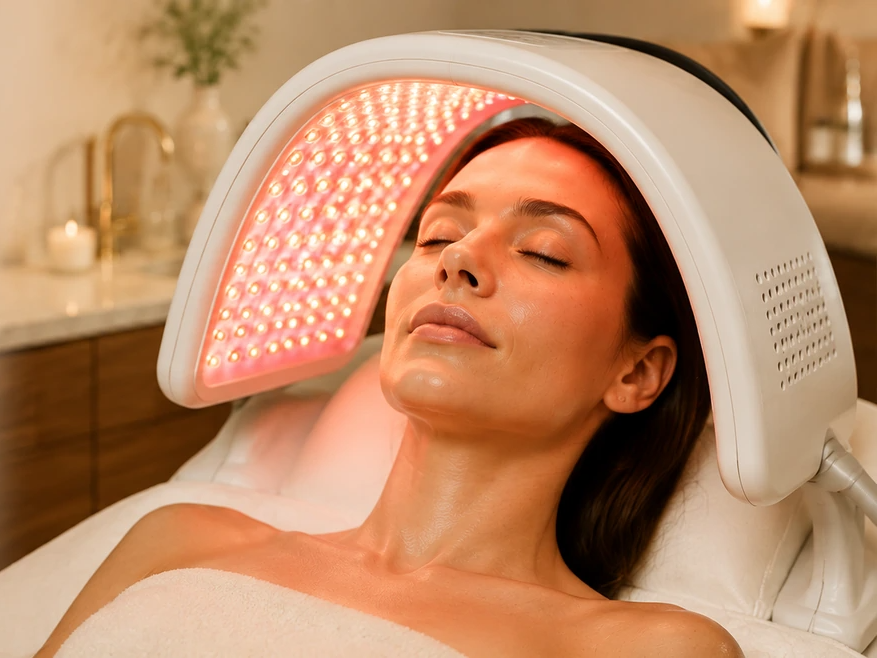
The treatment approach splits neatly in two. The visible vessels — the persistent redness across the nose and cheeks — respond extremely well to IPL, which is absorbed by haemoglobin, heats the vessel and collapses it. Three to five sessions produce a change patients describe as no longer needing foundation.
The inflammation underneath is the other half, and it is managed rather than zapped: LED to calm, a barrier-supporting routine that is far simpler than what most patients arrive using, and honest work on triggers. Almost everyone with rosacea we meet is over-treating their skin, and stopping that is often the first visible improvement.
Five presentations.
Persistent redness
The background flush across nose and cheeks that never fully settles.
Broken capillaries
Fine visible vessels — the clearest and fastest IPL result.
Flushing episodes
Triggered heat responses, reduced in intensity and duration.
Papules
Inflammatory bumps, calmed with LED and a corrected routine.
Chest & neck
Poikiloderma from years of open collars in the sun.
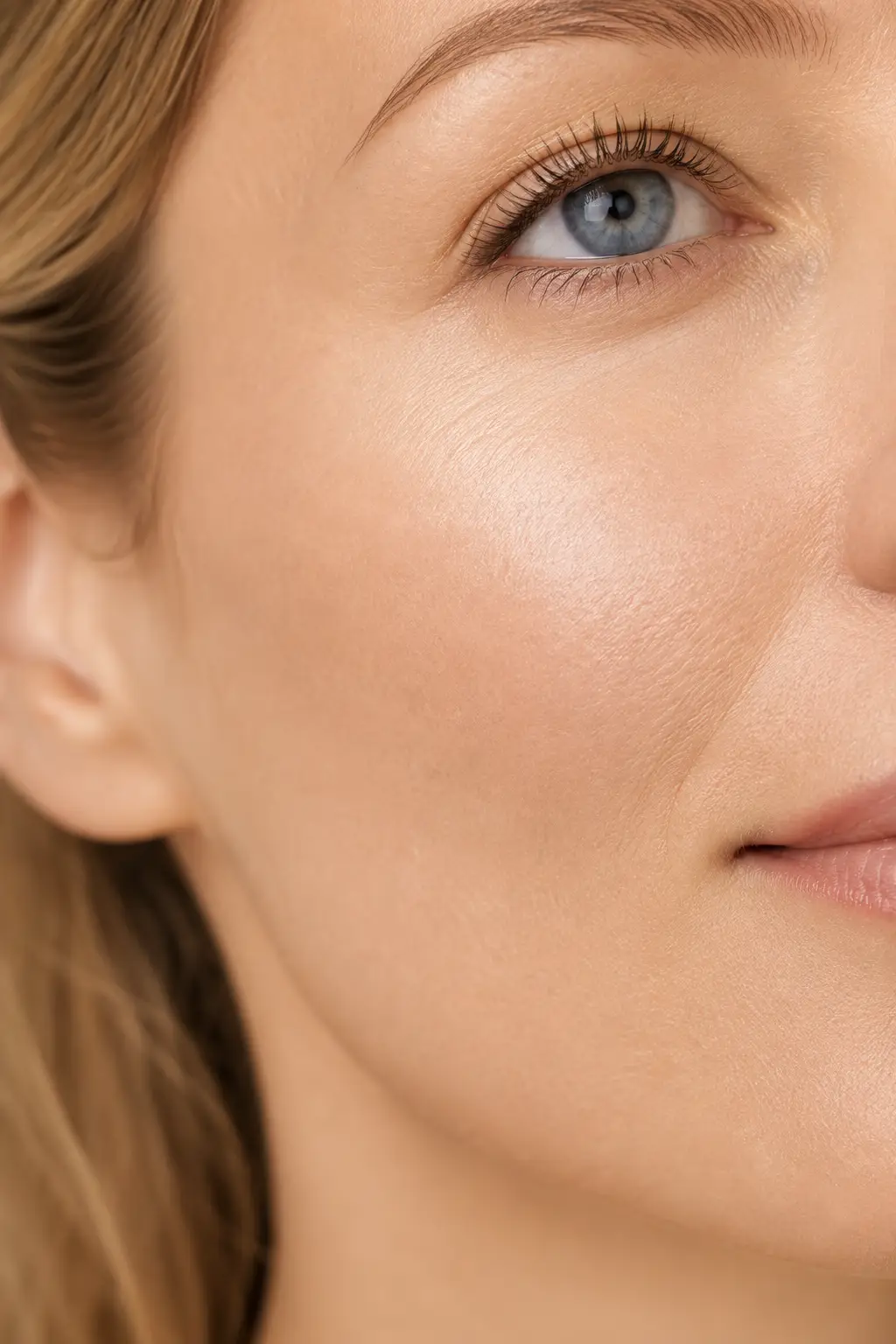
Do less, then treat.
The majority of rosacea patients we see are using too many actives on a compromised barrier. We simplify first, then bring in light.
What the first appointment looks like.
Assessment
Magnified analysis, photographs, and a full review of your current products and triggers.
Simplify
A pared-back routine — cleanser, barrier moisturizer, mineral SPF. Usually fewer products than you arrived with.
IPL series
Three to five sessions, three to four weeks apart, scheduled October through April.
Maintain
LED as needed, one or two IPL sessions a year, and a plan for summer.
Member pricing across the series.
Society Circle members receive member pricing on the laser menu — which for a rosacea IPL series is where the membership pays for itself.
Frequently asked.
Can rosacea be cured?
{{ s0 }}No — it is a chronic inflammatory condition that is controlled rather than cured. The good news is that control is genuinely achievable: IPL collapses the visible vessels, LED and skincare reduce the inflammation, and most patients get to a place where they no longer think about it daily.
What makes rosacea worse in Charleston?
{{ s1 }}Heat and humidity are two of the most reliable triggers, and here they run for months. Sun exposure, alcohol, spicy food and stress do the rest. Summer flares are extremely common and worth planning around.
Does IPL work for rosacea?
{{ s2 }}It is the most effective treatment we have. Light is absorbed by haemoglobin in dilated vessels, which heat and collapse. Three to five sessions produce a marked reduction in persistent redness, and maintenance once or twice a year holds it.
Will treatment stop the flushing?
{{ s3 }}It reduces the persistent background redness substantially and makes flushing episodes less intense and less prolonged. It does not remove your ability to blush, and no honest practice would promise that.
What skincare should I use with rosacea?
{{ s4 }}Less than you think. A gentle non-foaming cleanser, a barrier-supporting moisturizer, mineral sunscreen, and nothing abrasive or fragranced. Most rosacea patients arrive over-treating, and simplifying the routine is often the first improvement.
Can I have facials with rosacea?
{{ s5 }}Yes, with the right protocol. GLACE is gentle and works well because extraction is by suction rather than pressure. We avoid steam, aggressive acids and anything that heats the skin unnecessarily.
Do you treat the redness on my chest and neck?
{{ s6 }}Yes. Poikiloderma — the mottled red-brown discoloration on the chest from years of open collars — responds well to IPL and is very common here.
Preserved. Never altered.
Consultations are unhurried and thorough. Historic King Street, Third Floor, downtown Charleston.